
The keep is older than it looks
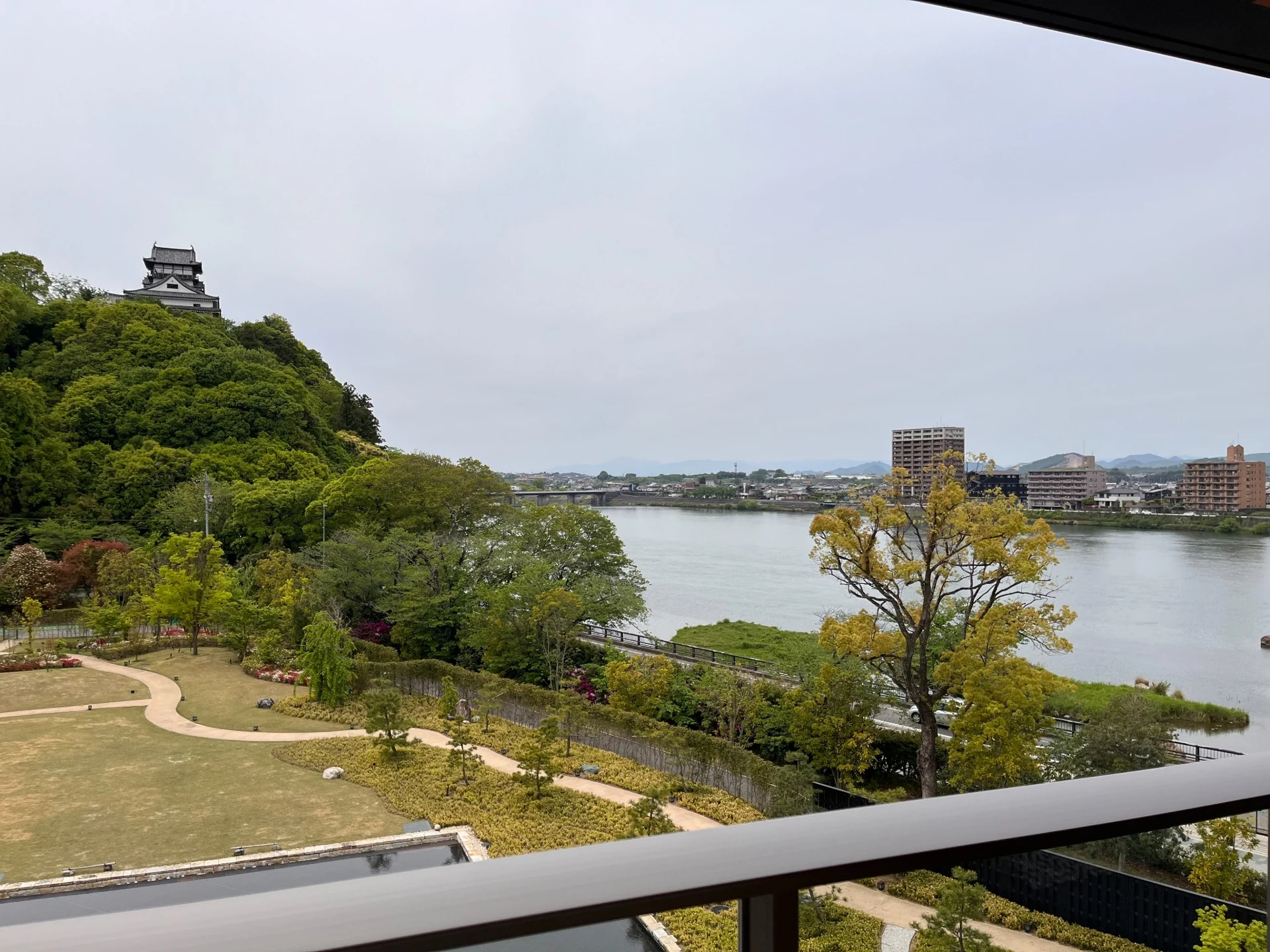
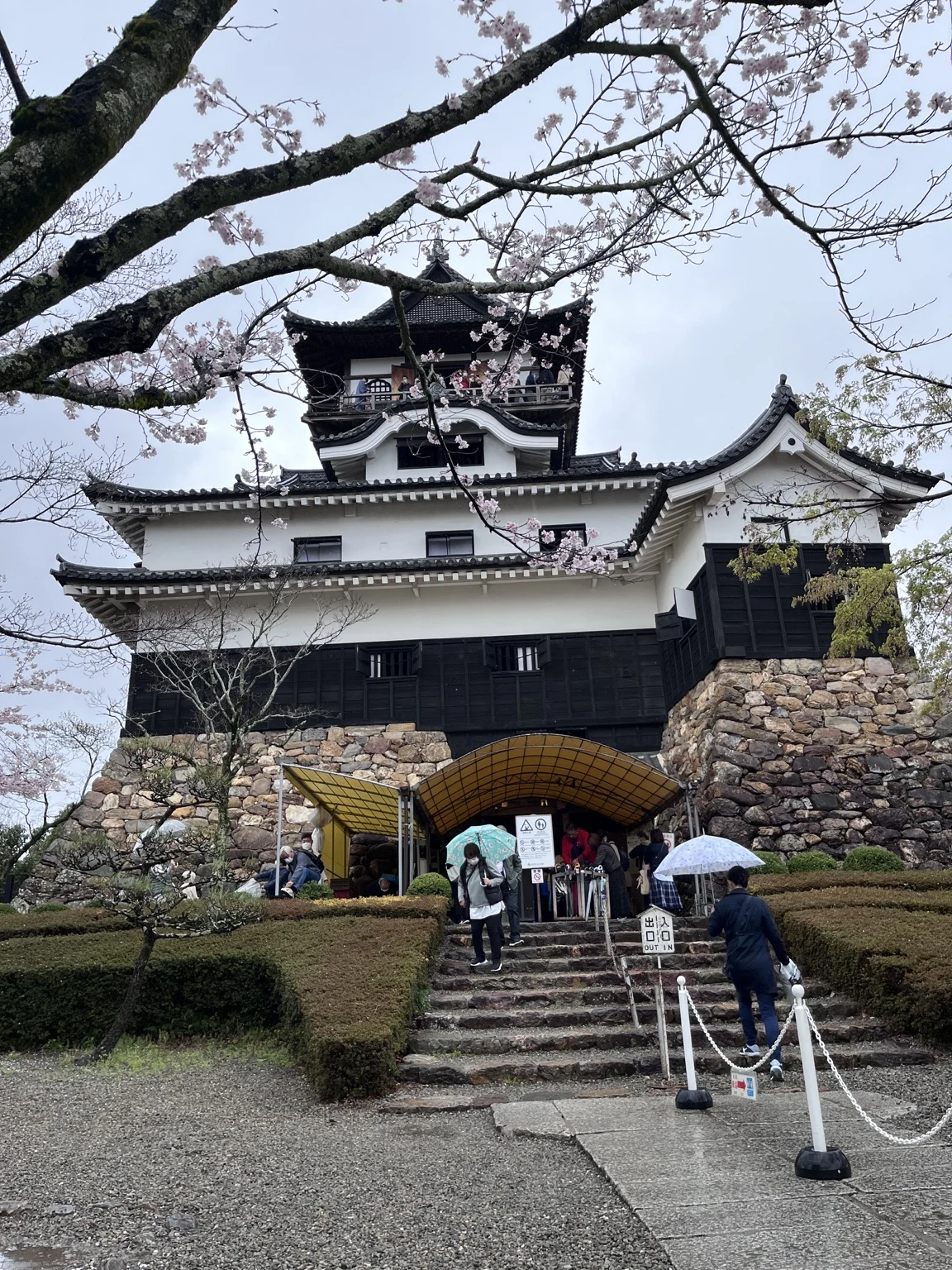
Inuyama Castle dates to the 16th century, and its keep is one of the few original castle towers still standing in Japan — not a concrete rebuild. From the top, the Kiso River opens out below, flat and wide against the plain.
What I like is that the castle doesn't feel sealed off from the town. You walk up through streets that still feel lived-in, and the same streets are waiting when you come back down.
The castle town is the actual destination
Honmachi-dori still holds its old layout. Wooden façades, snack shops, small discoveries — this is where I put the map away.
This is where street photography earns its keep — not the landmark shots, but tiled roofs, bicycles, shop signs, the side streets nobody photographs on purpose.


Two shrines on the way down
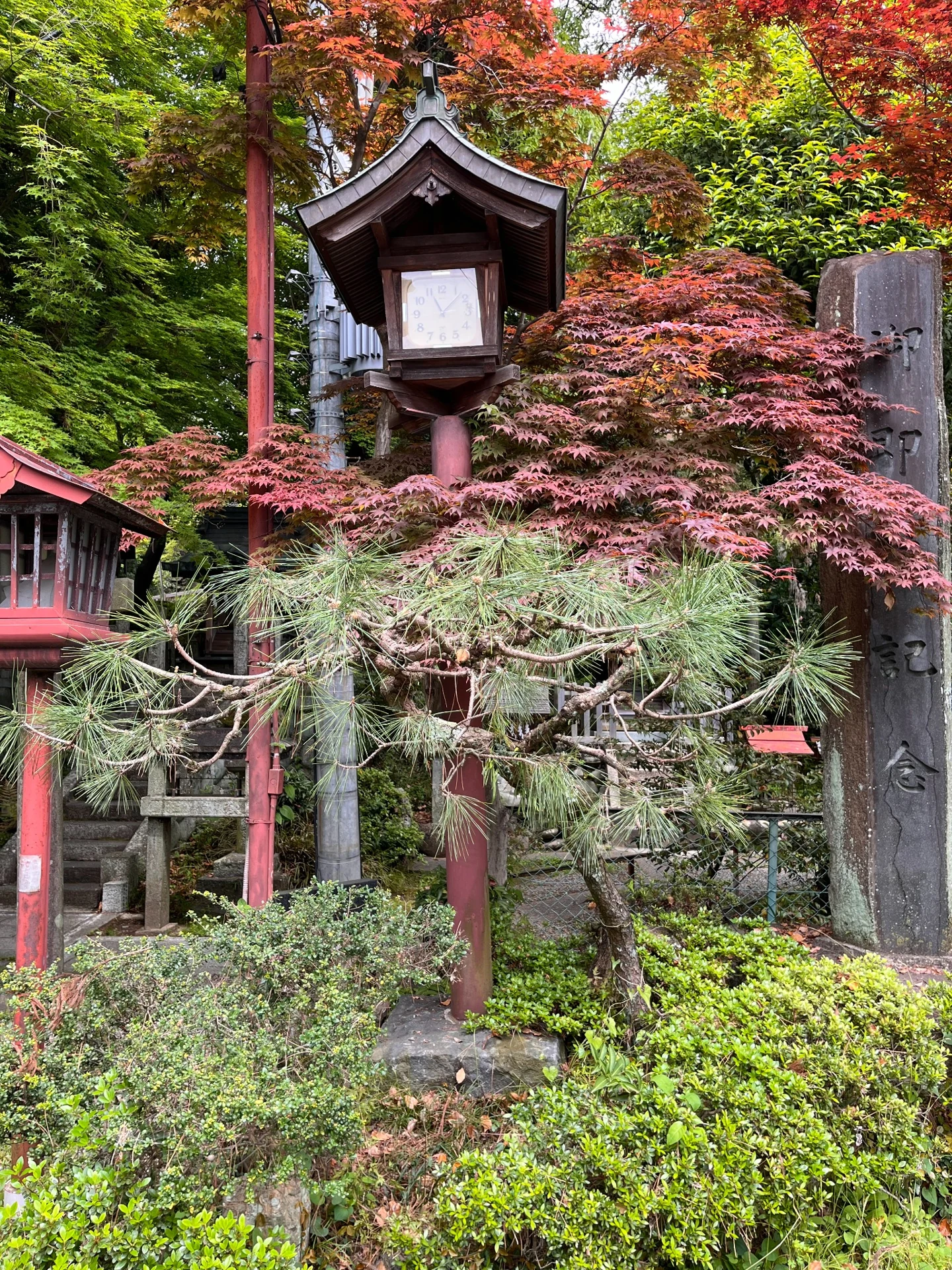
Sanko Inari Shrine sits below the castle — red torii, ema, a sharp contrast to the quieter streets around it. Haritsuna Shrine, right beside it, ties directly into the castle's history. Neither needs a separate trip; both sit naturally on the walking route.


Urakuen Garden: where the pace changes
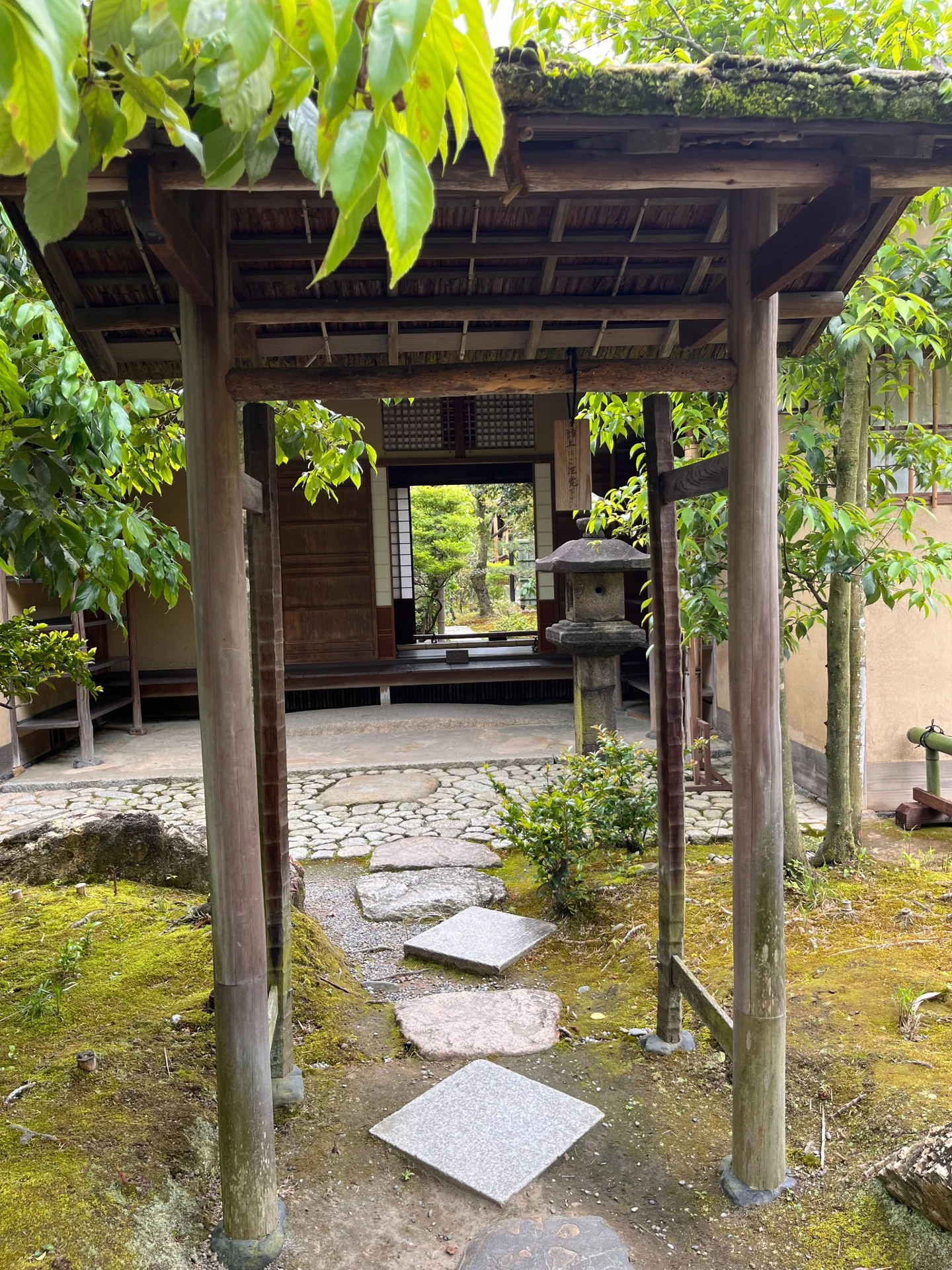
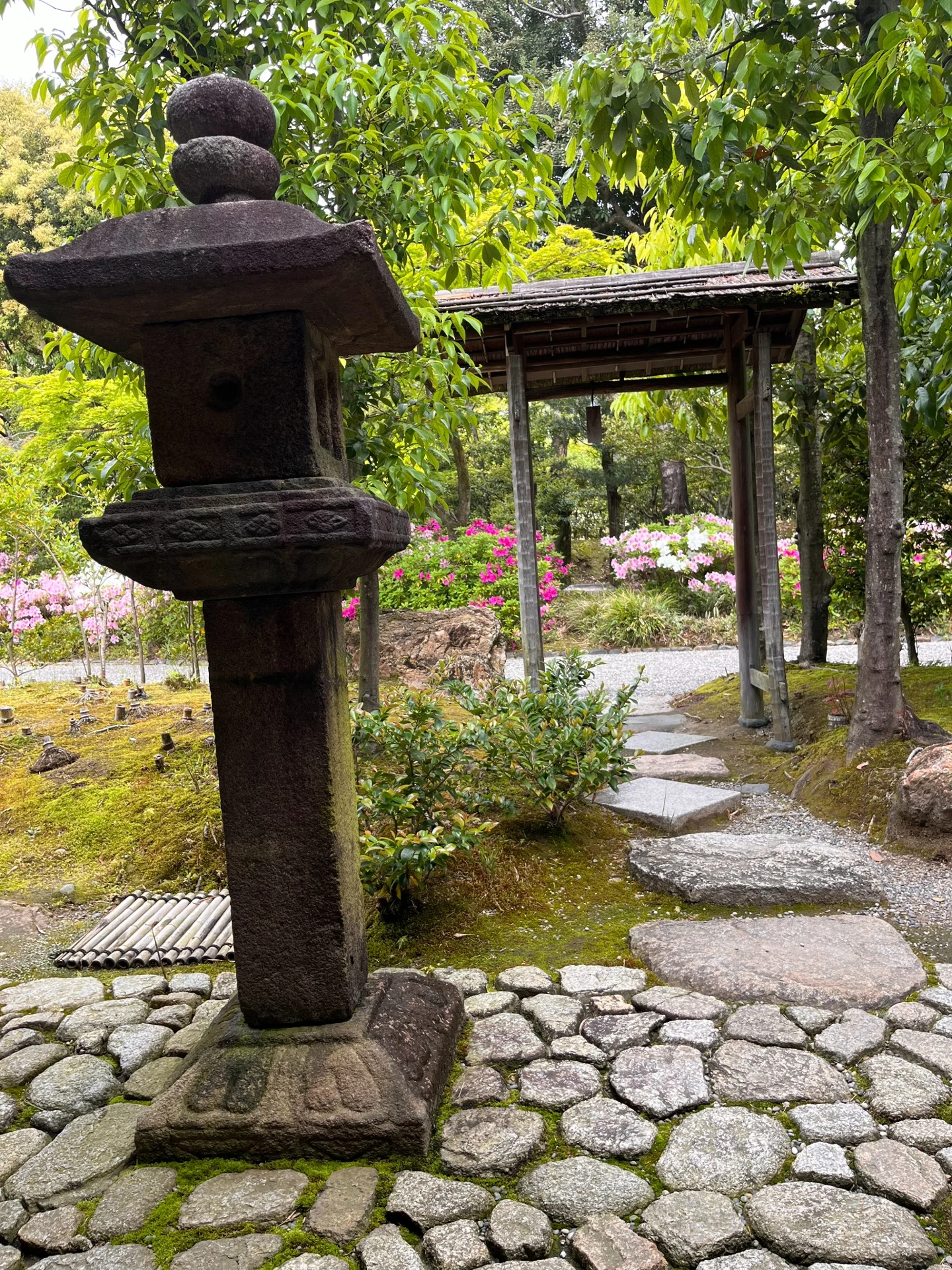
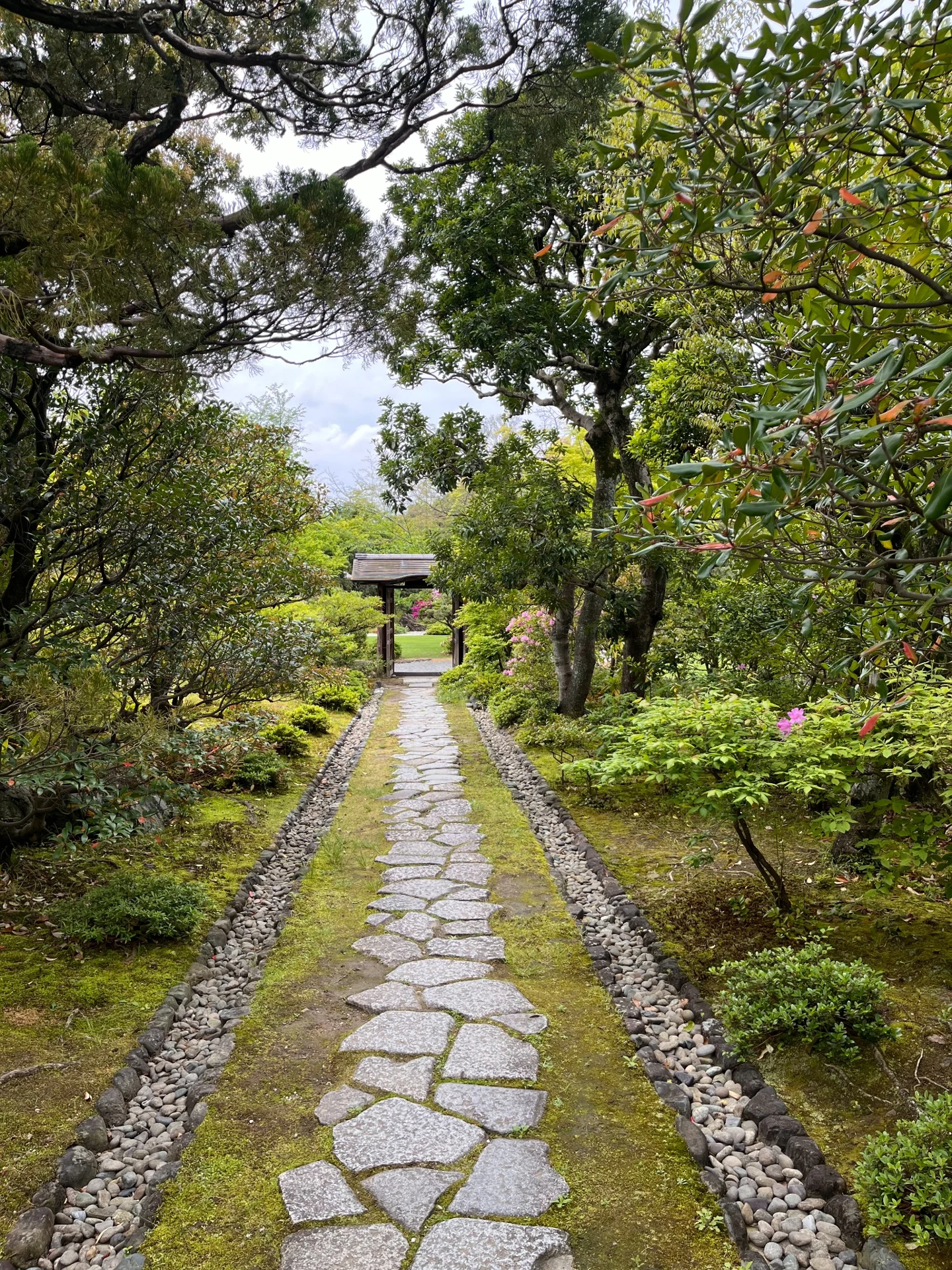
Urakuen sits close to the castle but feels like a different city. It's home to Joan, a National Treasure teahouse linked to Oda Uraku — moss, stone, bamboo, paths that don't want to be rushed.
This is what makes Inuyama more than a half-day stop: a castle keep and busy streets, then a garden that asks you to go quiet.


Inuyama Naritasan: dusk and city lights
My evening photographs at Inuyama Naritasan show the red Myōōmon gate, the illuminated main hall and the long stone steps. From the grounds, I photographed the sunset with Inuyama Castle in the distance, followed by the city lights below.
For this stop, I visited Daishōji Temple, a Buddhist temple and branch of Naritasan Shinshōji in Chiba. It is a separate visit from Sanko Inari and Haritsuna; I would plan it as an optional detour, rather than part of the castle’s downhill shrine route.
For another visit, I would use the temple’s official access guidance: about 10 minutes on foot from Inuyamayuen Station, or 20 minutes from Inuyama Station. The current notice says the grounds are locked from 6 p.m. to 6 a.m. My evening photographs record my visit; they do not mean visitors can currently enter after dark. I would check the latest access notice before going.


Where I ate
Okumuratei — a historic Japanese house turned restaurant. The setting makes the meal feel part of the town, not interchangeable with anywhere else.


Hotel Indigo Inuyama dining
Hotel Indigo Inuyama also fed me well — breakfast and dinner worth a mention here, though the full story belongs on the hotel review.

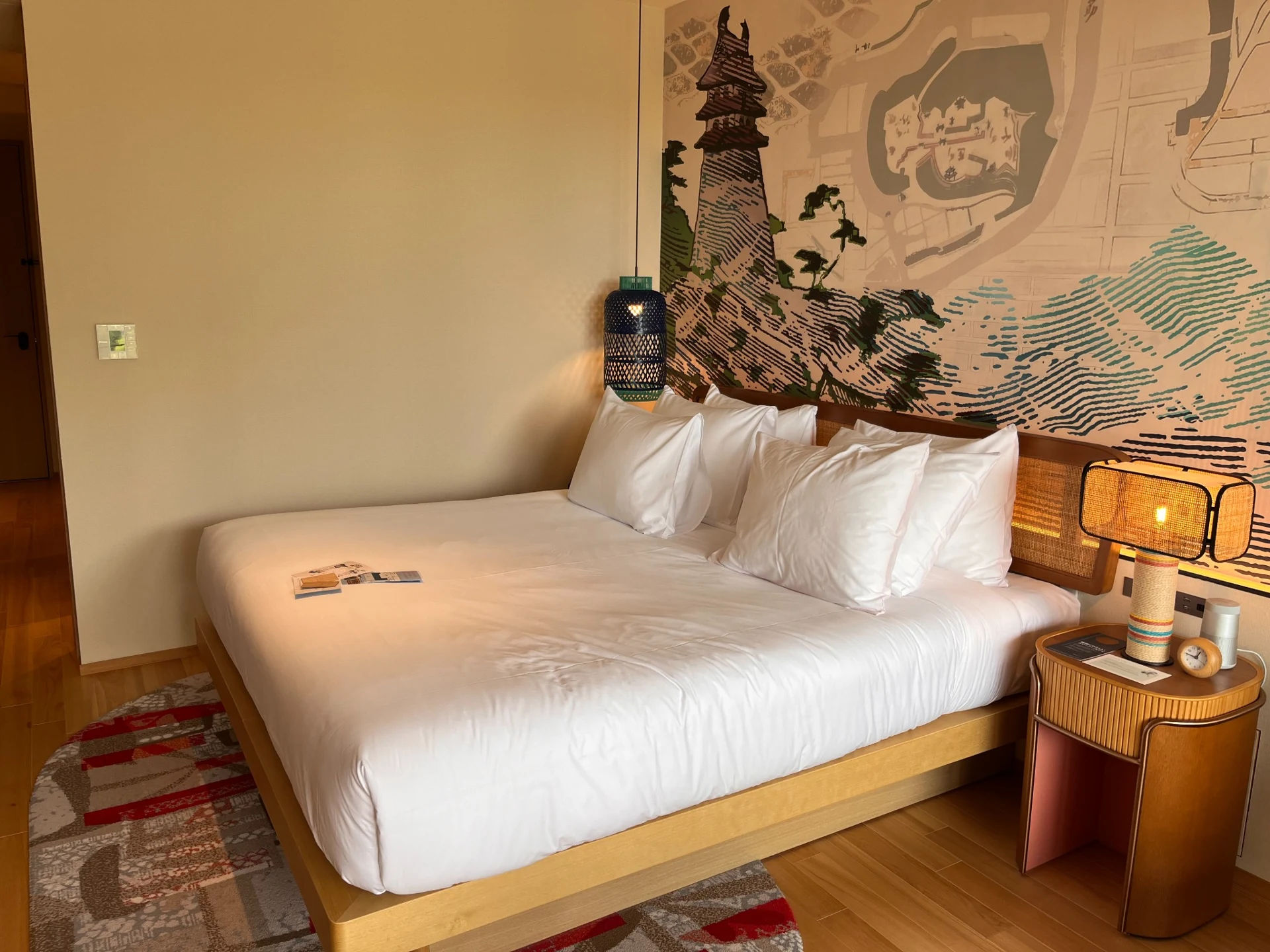
Where I stayed
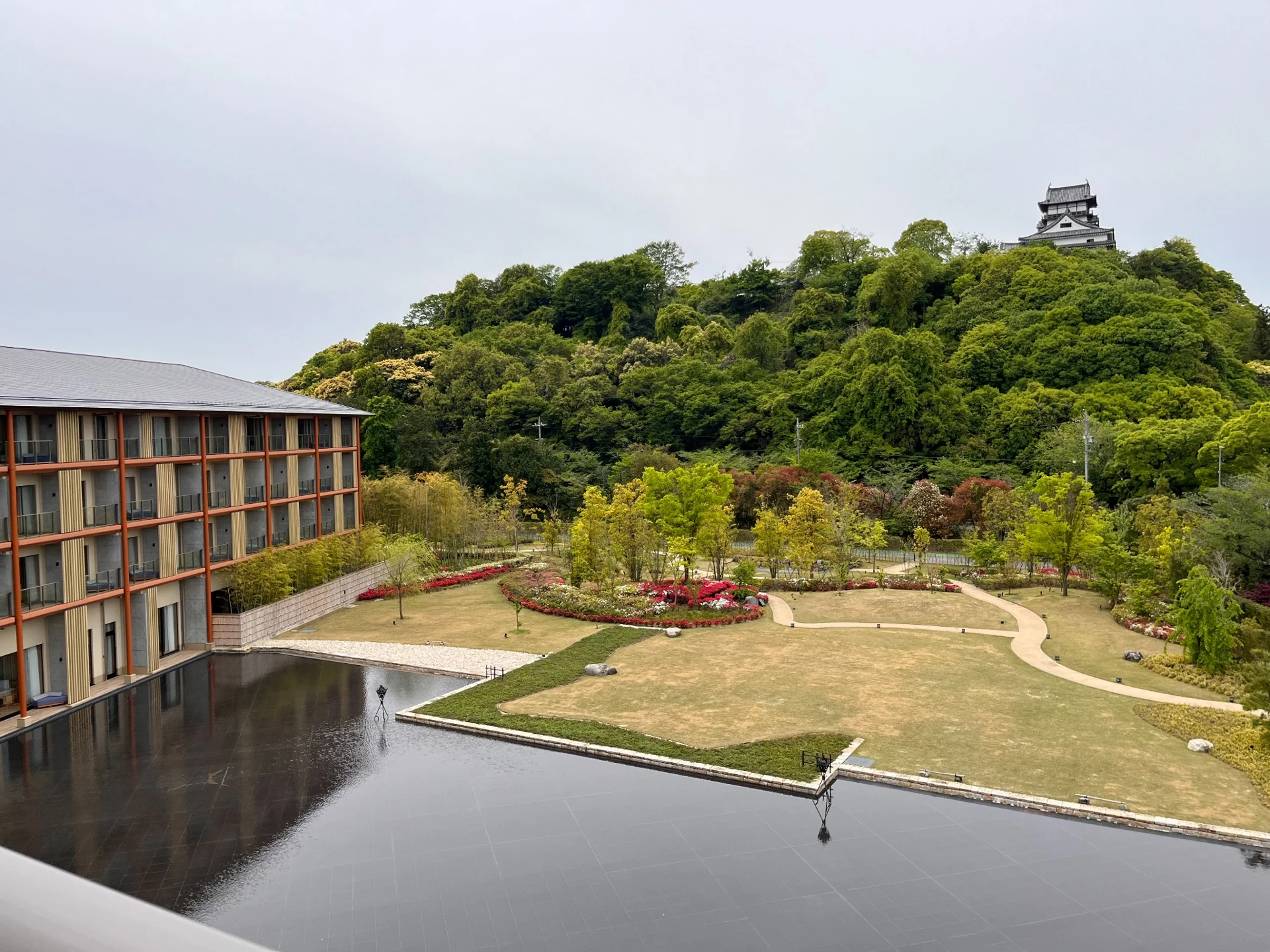
Hotel Indigo Inuyama Urakuen Garden is what makes this destination feel finished, not just visited. Beside the garden, with the castle appearing across the landscape — it's tied to this place in a way a generic city hotel wouldn't be.
If I had one day
Morning: castle town before it fills up, then the castle itself.
Late morning: Sanko Inari and Haritsuna on the way down.
Lunch: take your time, you're in the castle town for it.
Afternoon: Urakuen, slow all the way down.
Late afternoon: back to the river for coffee or one last walk.
Stay overnight and the whole day stops feeling like a schedule.
If I add Naritasan to this suggested day, I would visit before the 6 p.m. closure instead of the final riverside walk, after checking the latest access notice.
Staying connected
For maps, train times and messages while traveling in Japan, I recommend an eSIM for mobile data.
Affiliate link: Travel With Taka may earn a commission if you buy through this link.
Use code TRAVELWITHTAKA for 5% off eligible EVASIM eSIM products and regional plans.
TRAVELWITHTAKA · Get the EVASIM discount
Affiliate link: Travel With Taka may earn a commission if you buy through this link.
Taka's Take
Inuyama is easy to underrate if you reduce it to "see the castle, leave." The better version is slower: the original keep, the castle-town streets, the shrine gates, the quiet of Urakuen, a meal worth remembering. That's the Inuyama I'd come back for.